

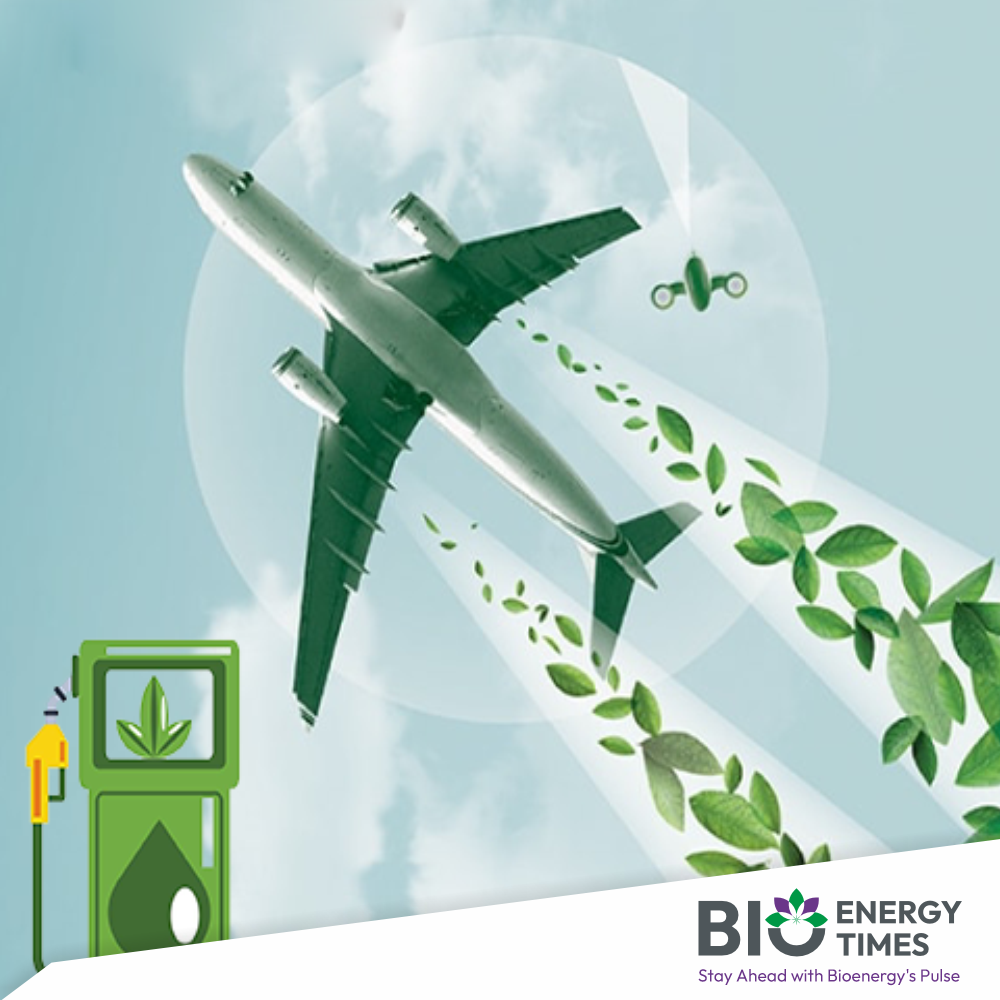
United Airlines is turning to waste fats from poultry production as part of its efforts to meet long-term climate goals, with sustainable aviation fuel playing a growing role in its plans to cut emissions, reports WattPoultry.
The airline aims to reduce carbon pollution per passenger seat by 50 per cent by 2035 compared with 2019 levels and to reach net zero emissions by 2050. Sustainable aviation fuel is expected to deliver a significant share of these reductions, accounting for about 17 per cent of the airline’s path to net zero through fuels already in use.

Speaking at the US Roundtable for Sustainable Poultry and Eggs annual meeting, held alongside the 2025 Poultry Tech Summit, United’s senior manager for environmental sustainability, Ryan Backman-Flamerich, said most of the company’s emissions come directly from burning jet fuel. He noted that fuel use from aircraft engines makes up about 98 per cent of the airline’s total emissions.
Aviation currently produces about 3 per cent of global emissions, but that share is expected to rise as other sectors cut pollution more quickly. Backman-Flamerich said that while industries such as power generation are reducing emissions, aviation must move faster or risk becoming a larger part of the global problem even if its own emissions fall.
A key part of United’s strategy involves working with Darling Ingredients, a company that processes animal byproducts and operates Diamond Green Diesel, a joint venture with Valero. The facility turns waste fats, including poultry fat, beef tallow and used cooking oil, into sustainable aviation fuel and renewable diesel.
Darling Ingredients’ director of sustainability, Ethan Carter, said the company processes nearly 1.5 million tonnes of low-emission raw materials each year for biofuel production. Its plants in Louisiana and Texas produce about 1.2 billion gallons of renewable diesel annually, with production of aviation fuel starting in December 2024.
Carter said the process ensures that animal byproducts are fully used, helping the poultry and food industries reduce waste while supporting cleaner fuel production. He added that most of the fats collected in North America, including poultry fat, are sent to Diamond Green Diesel for conversion into renewable fuels.
He acknowledged that poultry fat can be more difficult to process due to higher levels of impurities, meaning it cannot be used on its own. However, he said it can still be blended and successfully processed at the facility.
Backman-Flamerich said current aviation fuel made from waste relies entirely on byproducts from food production, avoiding concerns about growing crops specifically for fuel. He added that the industry is still far from reaching the limits of this fuel technology, leaving room for further growth.
Carter said closer links across the supply chain allow companies to expand production and help customers meet their climate targets.
The growing link between poultry production, waste processing and aviation shows how byproducts from one industry can become valuable inputs for another, reducing waste while supporting emission cuts. Backman-Flamerich said progress depends on cooperation across the entire aviation supply chain, including fuel producers and agricultural partners.













