

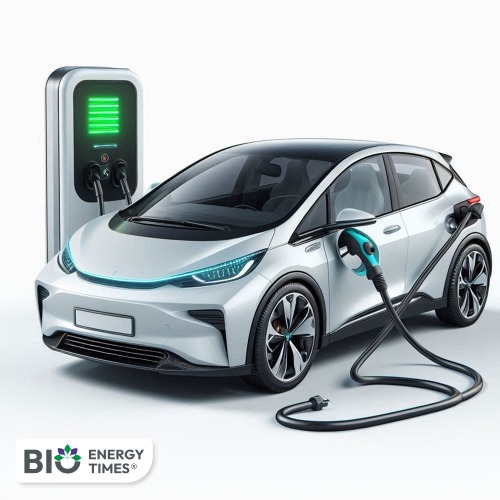
The electric vehicle (EV) market in the United States faced a significant setback in 2025, with sales declining for the first time in ten years. Industry experts attribute the drop to the ending of federal tax incentives, rising costs, and lingering concerns over charging infrastructure and vehicle depreciation, El-Balad reported.
According to S&P Global data, EV registrations fell for the first time since 2016. December saw a particularly sharp decline, with sales dropping 48% after many buyers rushed to take advantage of tax incentives earlier in the year. The federal EV tax credit, which offered up to $7,500 per vehicle, ended in 2025, directly affecting consumer purchasing decisions.

Many potential buyers remain hesitant despite available discounts, as electric vehicles are still more expensive than traditional gas-powered cars. Concerns over charging times and range anxiety continue to discourage some consumers, even as charging infrastructure improves. In addition, EVs, especially high-end models, tend to depreciate faster than gasoline vehicles. This is partly because of their reliance on software technology, which can become outdated over time, making buyers wary of losing value quickly.
The combination of these factors has made 2025 a challenging year for the EV industry. Manufacturers and consumers alike are navigating a shifting landscape as the sector works to regain momentum and rebuild confidence in electric vehicles.