
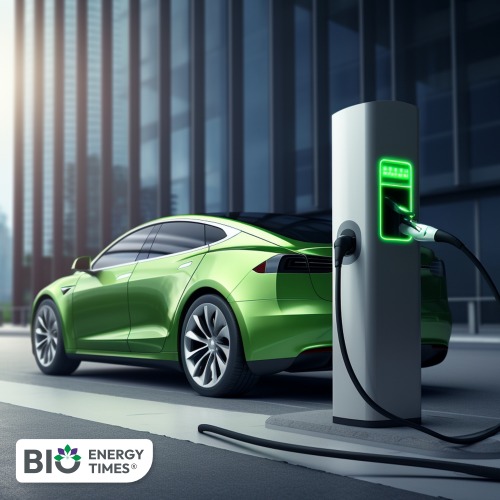
Colombo: Sri Lanka has urged electric vehicle owners to stop charging their cars at night, warning that rising demand is putting pressure on the power grid and forcing increased use of coal and diesel, The Peninsula Quarter reported.
In a national address, President Anura Kumara Dissanayake said electric vehicles are adding around 300 megawatts of extra demand during night hours, when most users plug in their cars after returning home.

He said the surge is forcing authorities to run all available generators to meet demand. A large share of night-time electricity currently comes from coal and diesel-based plants, increasing reliance on conventional fuels.
The president urged vehicle owners to charge during the day, when solar power generation is higher. He also said the government plans to introduce new tariffs to discourage night-time charging.
Sri Lanka has seen a rise in electric vehicle use since lifting a five-year ban on vehicle imports last year, with more than 10% of new imports being fully electric.
The move comes as the country faces an energy crunch linked to the Middle East conflict, which has disrupted fuel supplies. The government has already begun fuel rationing and introduced a four-day work week to conserve energy.
Dissanayake said Sri Lanka was unable to secure two shipments of crude oil due to the situation and is now in talks with countries including India and Russia for alternative supplies.
The impact of the measures was visible on Wednesday, with fewer vehicles on the roads and reduced activity at public transport hubs, as schools, government offices and banks remained closed as part of the energy-saving effort.