

Bathinda: The Commission for Air Quality Management in NCR and Adjoining Areas (CAQM) on Thursday reviewed measures taken by Punjab and Haryana to prevent paddy stubble burning and control other major sources of air pollution, stressing the need for prompt implementation of measures on the ground, The Times of India reported.
During its meeting with Punjab officials, the commission assessed the implementation of the state’s action plan for preventing and controlling paddy stubble burning, in line with its direction issued on May 15, 2026. The review covered enforcement measures, district-level preparedness and monitoring arrangements for managing paddy residue.

The commission also examined the availability, deployment and utilisation of Crop Residue Management (CRM) machinery at the district and farmer levels. It reviewed gaps in machinery use and arrangements for collecting, transporting and utilising paddy straw through in-situ and ex-situ management methods.
CAQM stressed the need to strengthen the crop-residue supply chain and ensure that available machinery is used effectively during the peak harvesting period.
The meeting also reviewed field verification of burnt-area assessments based on satellite fire alerts, along with the deployment of drones and low-cost sensors across districts to monitor stubble-burning incidents.
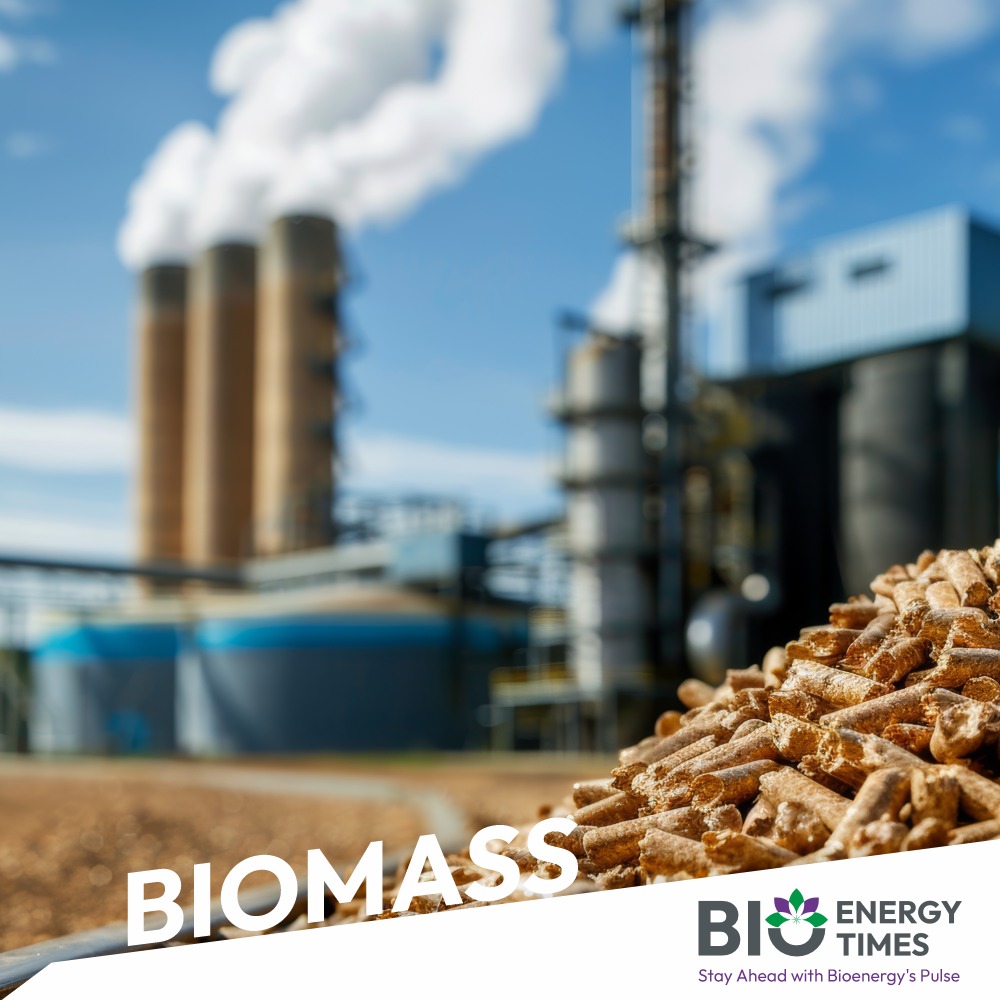
Compliance with the commission’s direction on using paddy straw-based biomass pellets and briquettes in brick kilns was also assessed. Officials reviewed progress towards prescribed targets for biomass co-firing in thermal power plants.
The meeting with Haryana covered a wider range of air pollution sources, including paddy stubble burning, vehicular emissions, road and open-area dust, construction and demolition (C&D) waste-related dust, industrial pollution and other identified sectoral measures.
Regarding stubble burning, the commission reviewed the implementation of Haryana’s state action plan, including enforcement measures, the deployment and utilisation of CRM machinery, crop-residue supply-chain management and field verification of burnt-area assessments.
The use of drones and low-cost sensors to monitor burning incidents was also discussed, along with compliance with directions on biomass pellets and briquettes in brick kilns and progress towards biomass co-firing targets in thermal power plants.