
The Idaho National Laboratory (INL) has partnered with Terragia Biofuel Inc. to test biomass preprocessing technologies at the Biomass Feedstock National User Facility (BFNUF), as the company assesses its new method for converting plant material into fuel, reports Post Register.
The collaboration is supported by funding from the US Department of Energy’s Bioenergy Technologies Office and Office of Science. Terragia Biofuel Inc. is based in Hanover, New Hampshire.

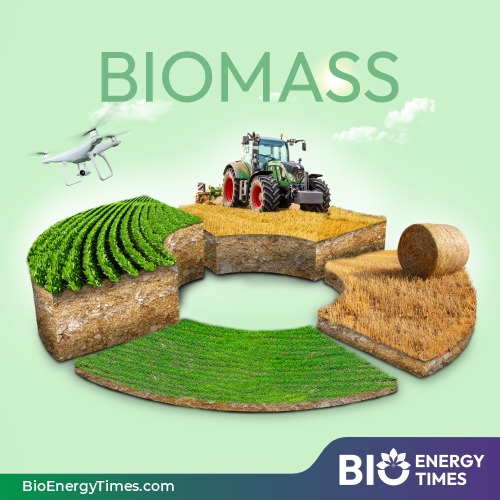
The BFNUF focuses on technologies that prepare raw biomass, such as corn stover, for easier conversion into synthetic biofuels. These fuels can be used in sectors such as aviation, rail transport, shipping and manufacturing.
Terragia is working on new methods to convert plant-based material into ethanol, other fuels and useful by-products at costs that can compete with petroleum-based fuels. The company said working with INL will help confirm the performance of its technology before it is rolled out more widely across the biofuel industry. Access to advanced preprocessing equipment at the BFNUF will also help the company decide the next steps to improve conversion efficiency and support growth in the US bioeconomy.
The partnership is expected to strengthen the bioeconomy supply chain by increasing the output of sugars derived from biomass. These sugars are widely used in biomanufacturing and biotechnology.
At present, corn stover is typically processed as a whole plant, a method that is considered inefficient because different parts of the plant vary in how easily they can be treated. Some sections, such as stalks and cobs, are harder to process than others.
Specialized equipment at the BFNUF allows biomass to be separated into different components, which can then be processed in more efficient and cost-effective ways based on their individual properties. This approach reduces waste and improves overall output.
INL officials said higher yields would increase the value of processed sugars while lowering costs for industries that rely on them, including biomanufacturing and biotechnology.
The project brings together basic and applied research through joint funding from the Bioenergy Technologies Office, which supports INL’s role, and the Office of Science, which supports Terragia through the Center for Bioenergy Innovation.
The collaboration will also enable Terragia to share data with potential partners. At the same time, it is expected to create new opportunities for INL by allowing researchers to demonstrate the BFNUF’s capabilities and validate technologies that could benefit the wider national biomanufacturing economy.