
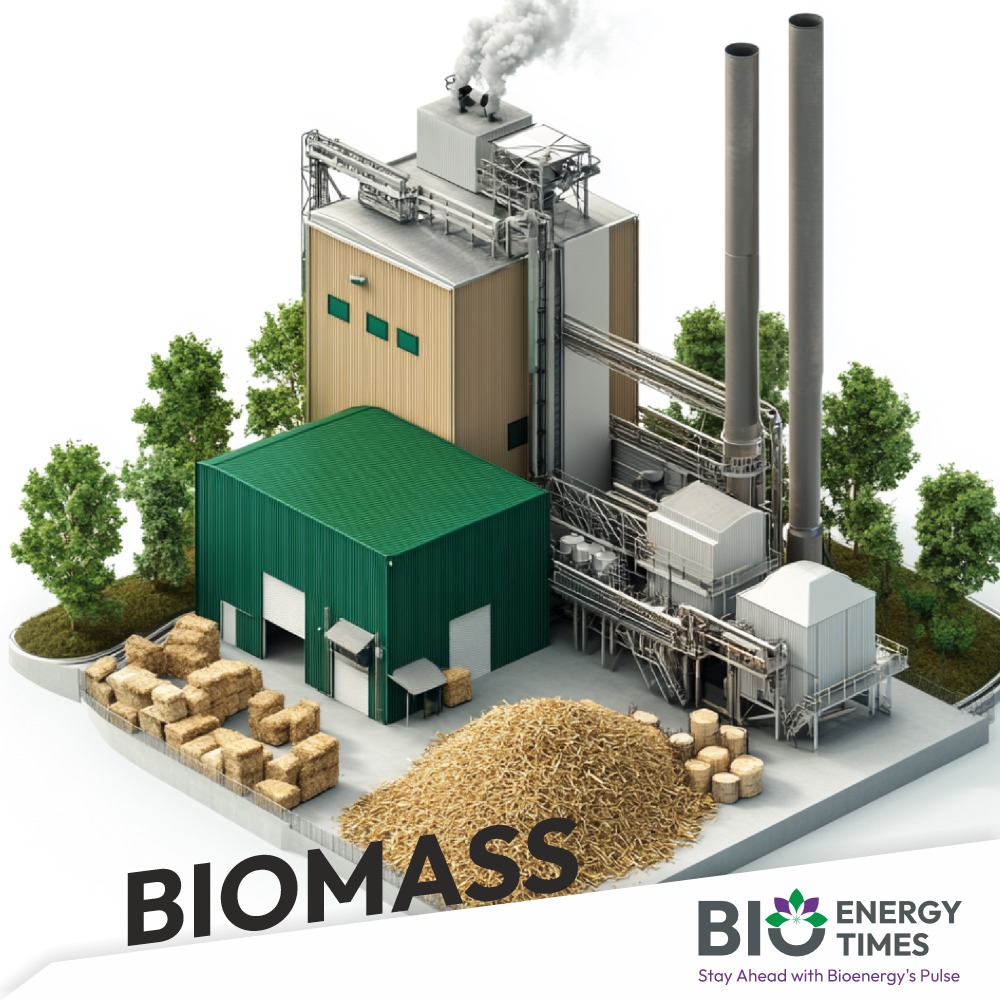
Data centres around the world are increasingly adopting biomass energy systems to lower their environmental impact while ensuring reliable operations, according to a study published in the journal Energies, reports Bioenergy Insight.
The study, titled Green Data Centres: Sustainable Solutions with Green Energy and Green–Blue Infrastructure, looks at how biomass energy can help meet the growing power needs of digital infrastructure. It notes that electricity use by data centres in the European Union is expected to rise from nearly 100 terawatt-hours in 2022 to about 150 terawatt-hours by 2026, making renewable energy sources more important than ever.

Based on an analysis of 12 international case studies, the research found that several leading data centres are using biogas fuel cells connected to wastewater treatment plants and farm waste systems. These setups convert organic waste into electricity and heat, helping reduce emissions while improving energy security.
The study says such biomass-based systems offer two advantages at once. They provide renewable energy and help nearby communities manage waste more effectively. Unlike solar and wind power, which depend on weather conditions, biogas systems can supply steady electricity, a key requirement for data centres that operate around the clock.
The research also highlights that almost all the electricity used by data centres is released as heat. This constant heat output can be reused in combination with biomass systems. Heat from servers can be captured and used through cooling systems powered by waste heat from biogas plants, reducing the need for additional electricity for cooling.
According to the study, this approach marks a shift in how data centres are viewed — from large energy consumers to active parts of local energy systems.
A planned green data centre project in Michałowo, Poland, is cited as a practical example. The facility is designed to run entirely on renewable energy supplied by nearby biogas plants and solar power. The project combines power generation, data processing and environmentally friendly design in one location.
The site also includes planted areas and green infrastructure that serve several purposes. These areas help regulate temperature, support local wildlife and produce biomass that can be used for energy. The researchers say this model shows how data centres can move closer to energy self-sufficiency while cutting emissions over their entire lifespan.
The study points out that green infrastructure is often overlooked in data centre planning. Features such as vegetation, green roofs and landscaped areas can improve local climate conditions and also supply biomass for energy use. However, the researchers found that most existing data centres, including those labelled as sustainable, have not fully adopted these integrated designs.
Green roofs, green walls and landscape-based biomass production remain uncommon, mainly due to regulatory challenges and the lack of planning approaches that link energy systems with landscape design.
The authors recommend that future data centre projects treat renewable energy, including biomass, as a core element from the start. They also stress the need to track sustainability through ongoing measurement of emissions, water use and energy performance rather than relying on fixed targets.
The study notes that more research is needed, particularly on the actual performance of biomass-based systems, and calls for further work on how nature-based solutions can be better integrated into highly technical facilities like data centres.